
Beauty in PluralityPhotojournal|view>
|
view>
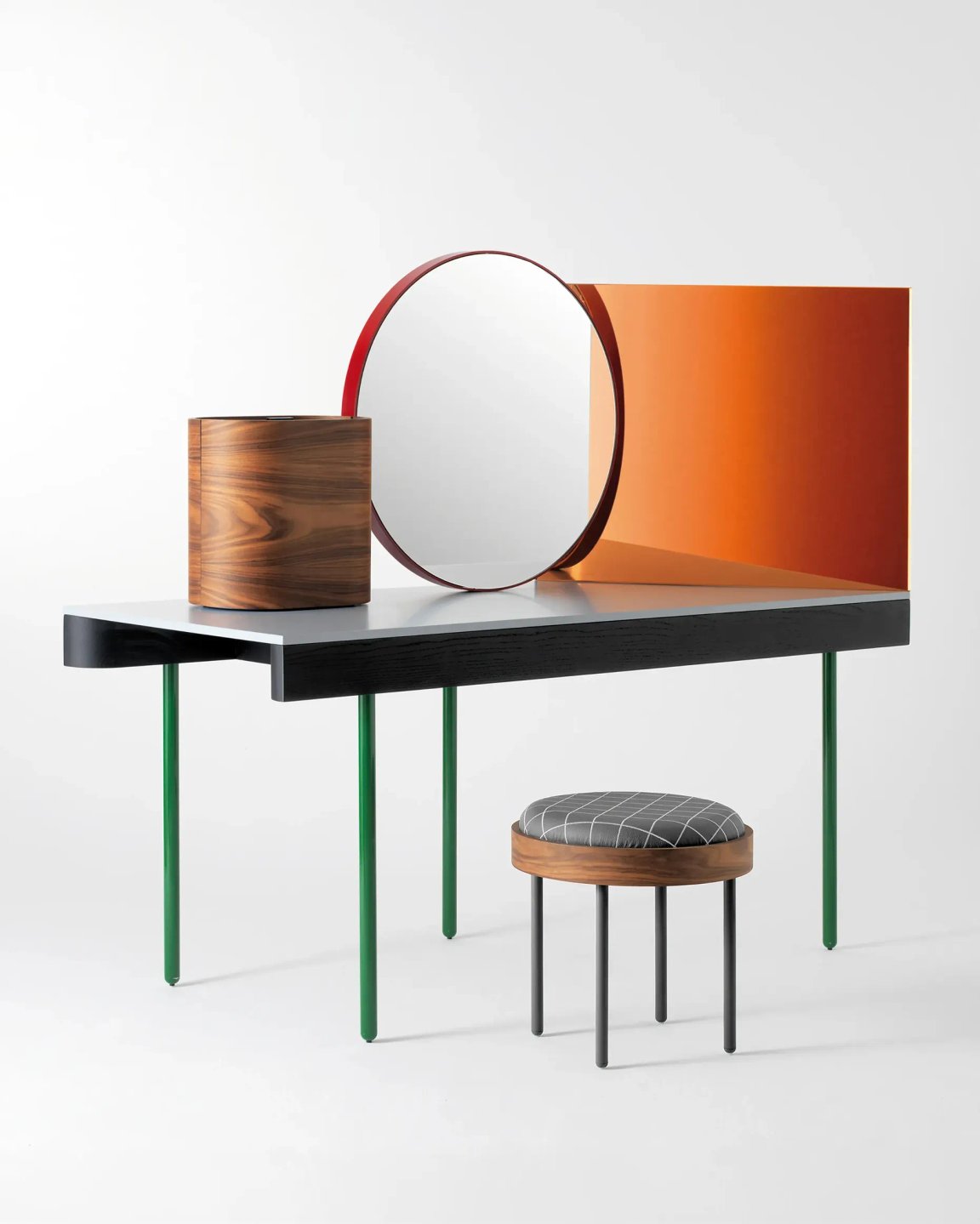
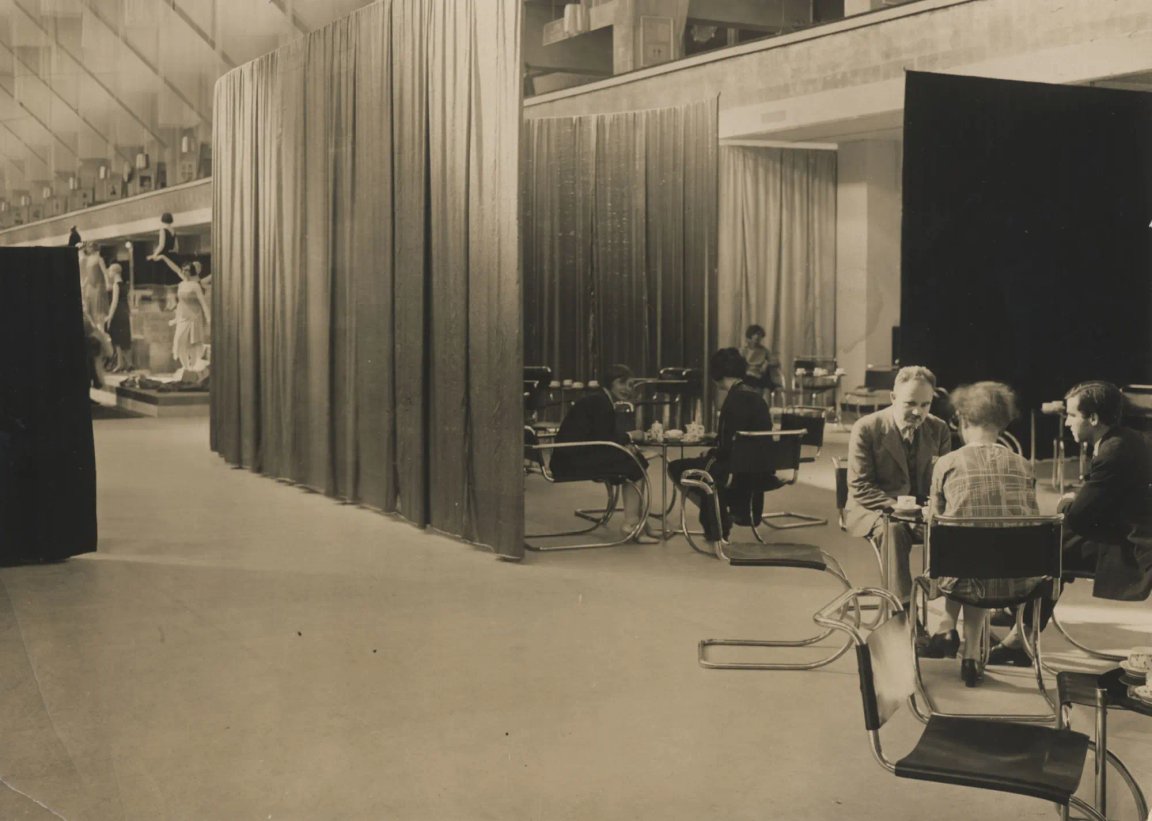
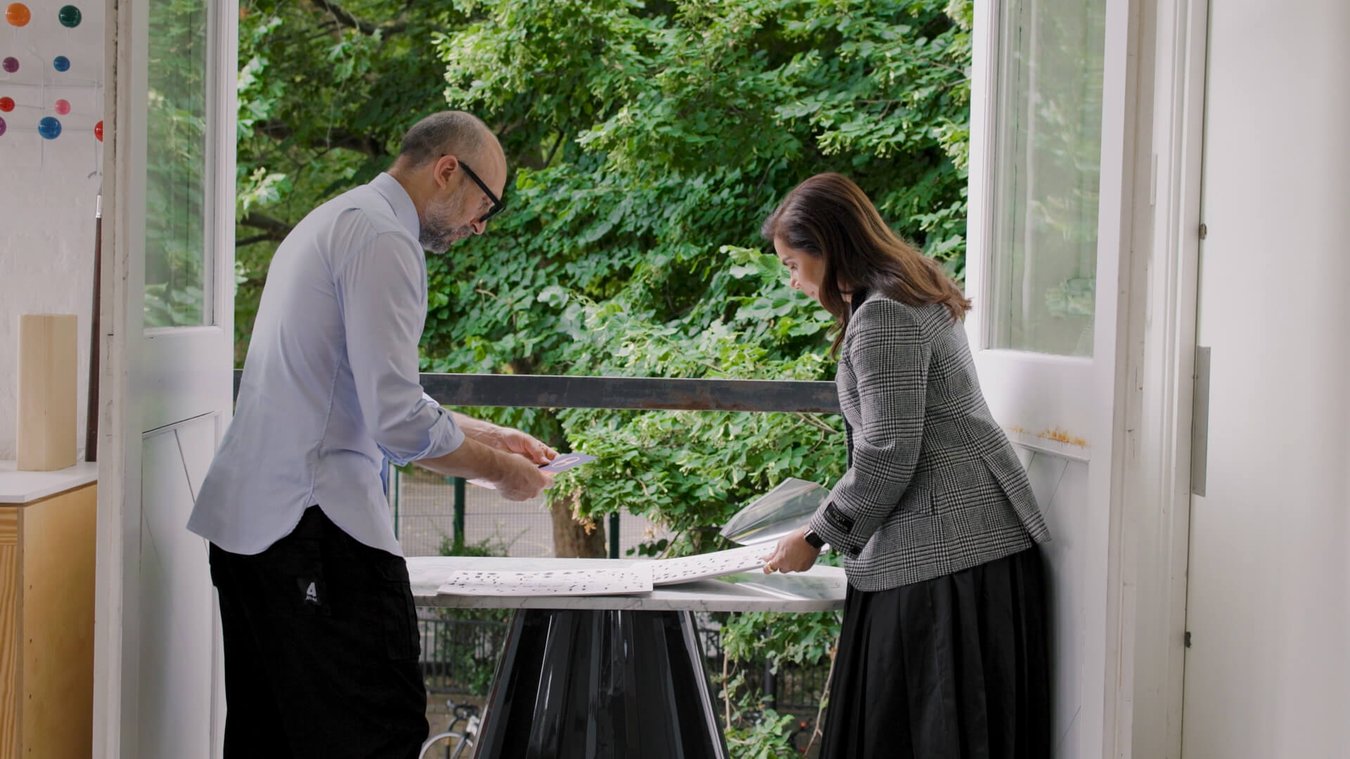
Beauty emerges through the interplay of different traditions, techniques, materials, colours and forms.
Earth to SkyEssay|read>
|
read>
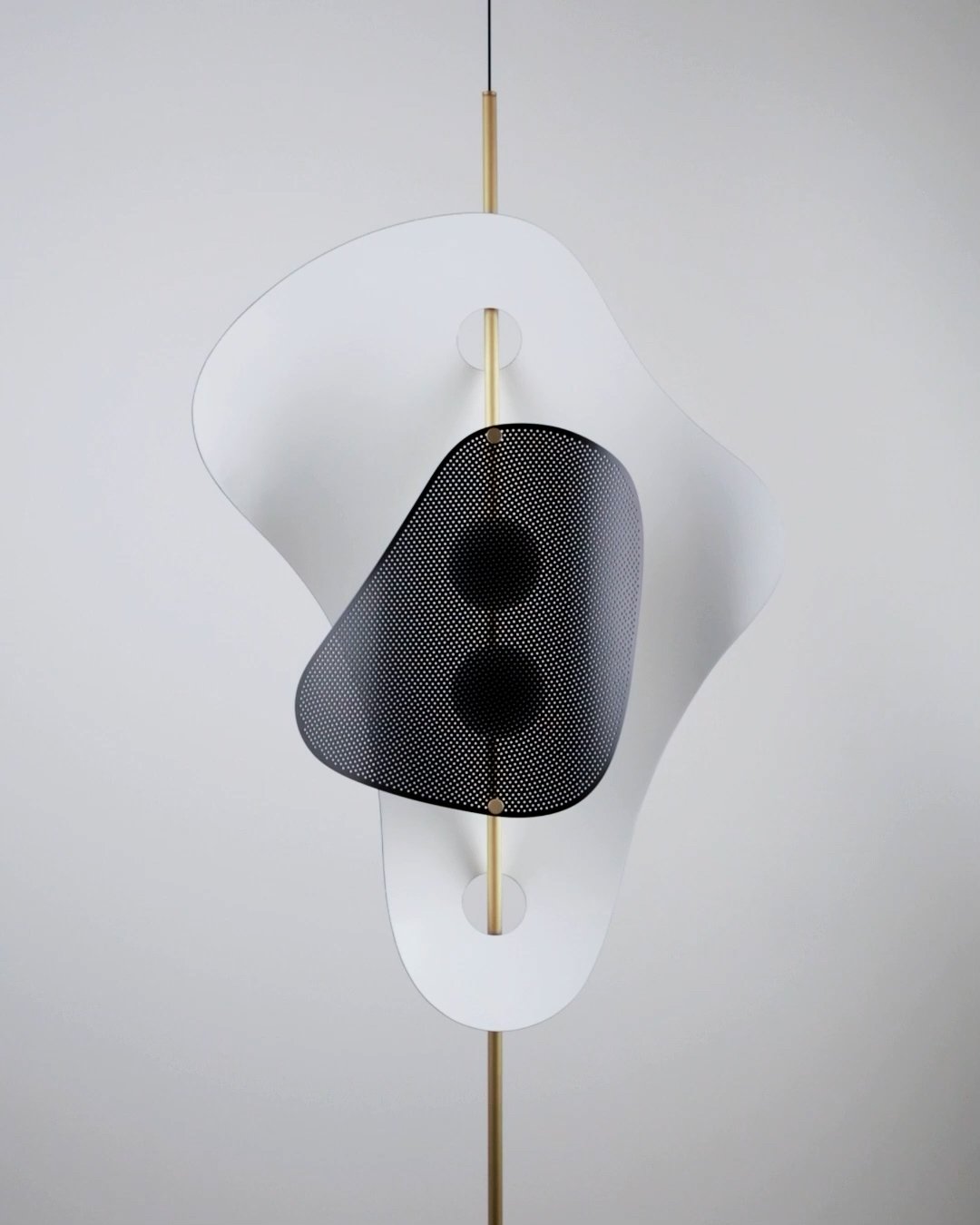
Earth to Sky began with a desire to create sculptural lighting objects through automotive production techniques. The collection brings together highly crafted amorphous forms and striking geometry.
The Made BedIn Conversation|read>
|
read>
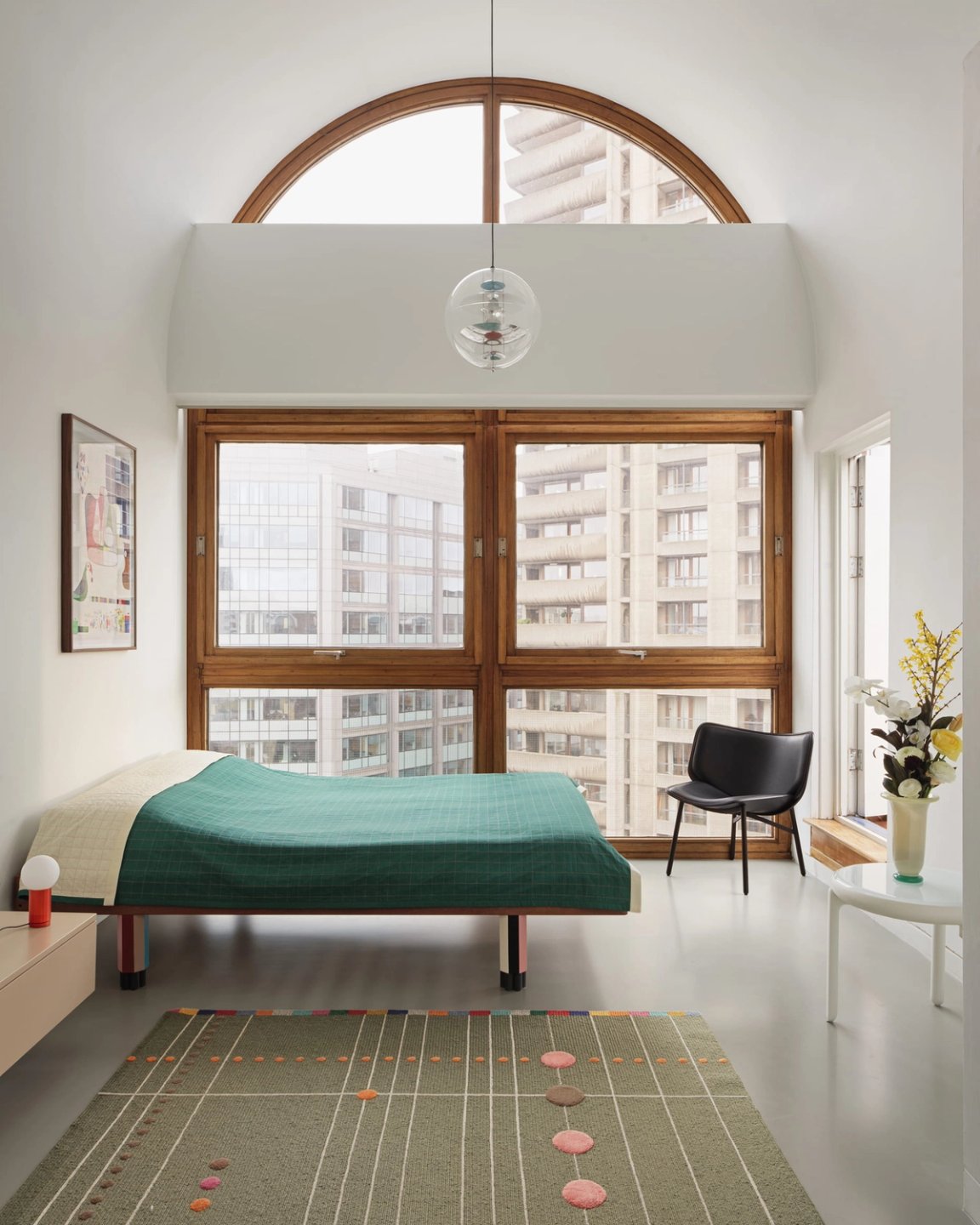
Nipa Doshi reflects on the idea that design is as much a way of doing things as it is about objects, while introducing Dori, the studio’s first textile collection for HAY.
Opposites AttractPress|read>
|
read>
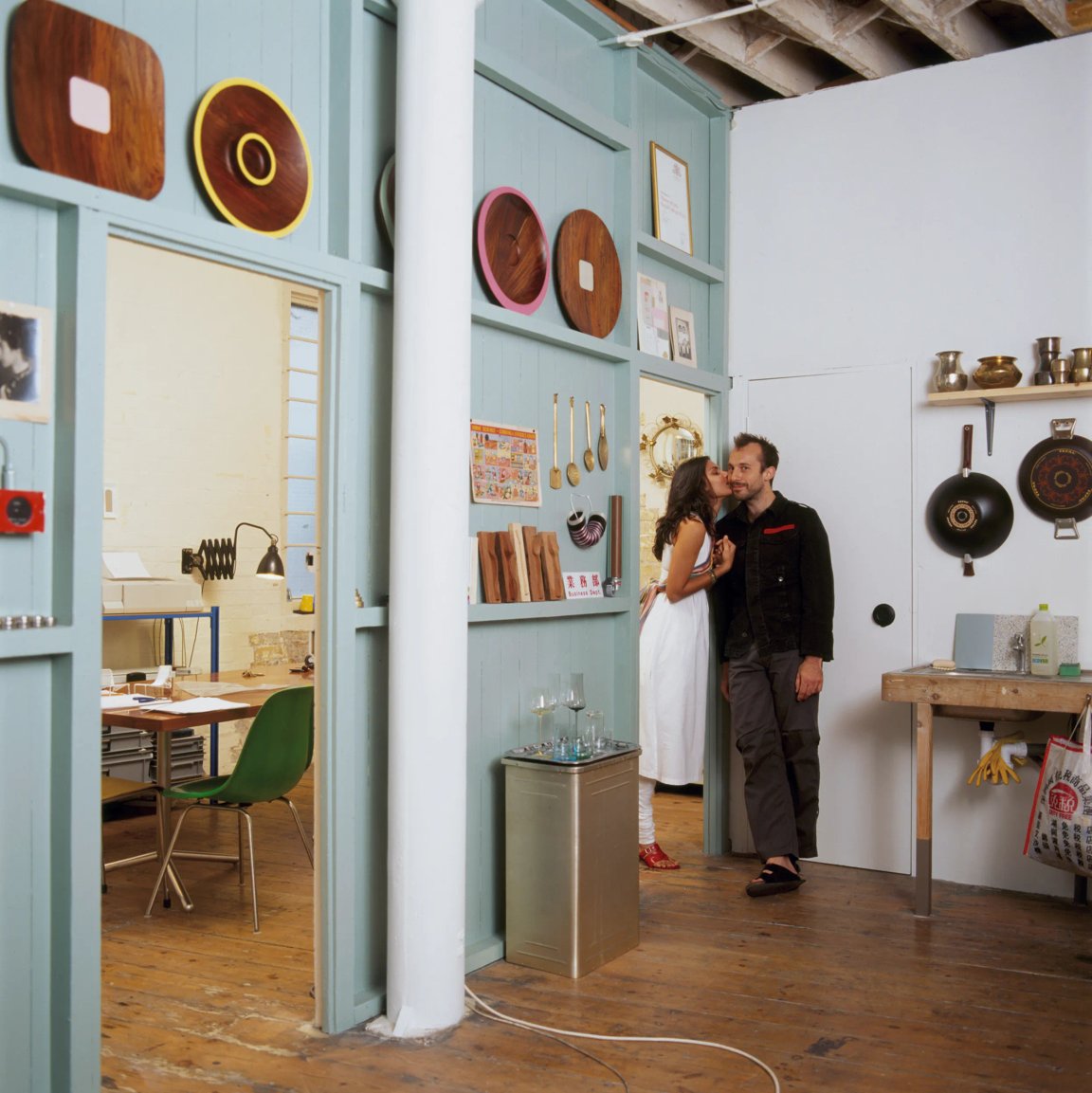
Jonathan Levien recounts the opening of Doshi Levien’s first studio, which was featured in Blueprint Magazine.
Melodic FrameworkEssay|read>
|
read>
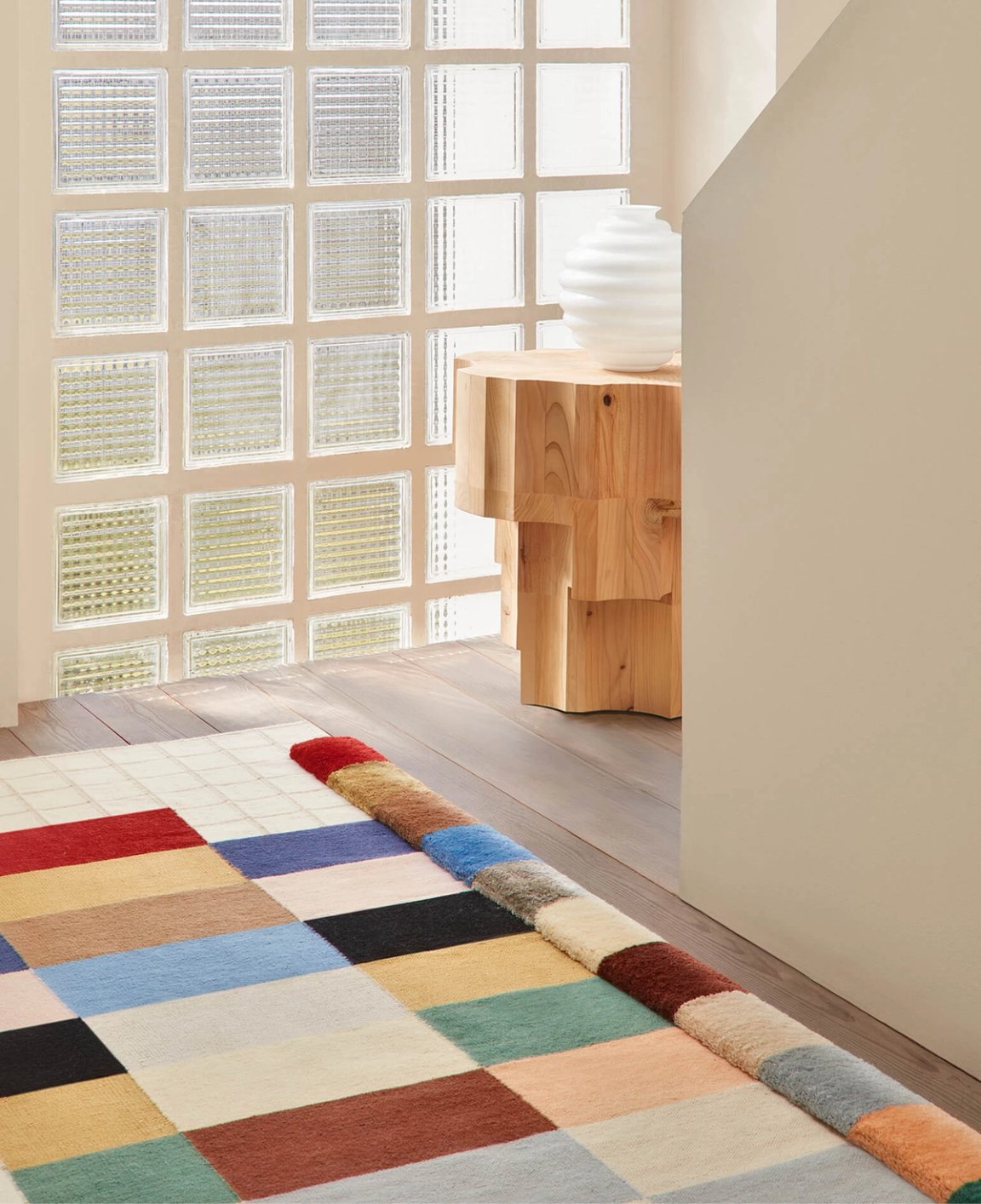
Inspired by the structure and improvisation of Indian classical raag melodies, Doshi Levien’s rugs weave together rhythmic patterns, vibrant colour and geometry through variation and repetition.
GHI-Serge_Anton_ps.webp?w=1152&q=85&fit=max&auto=format)
Living ObjectsEssay|read>
|
read>
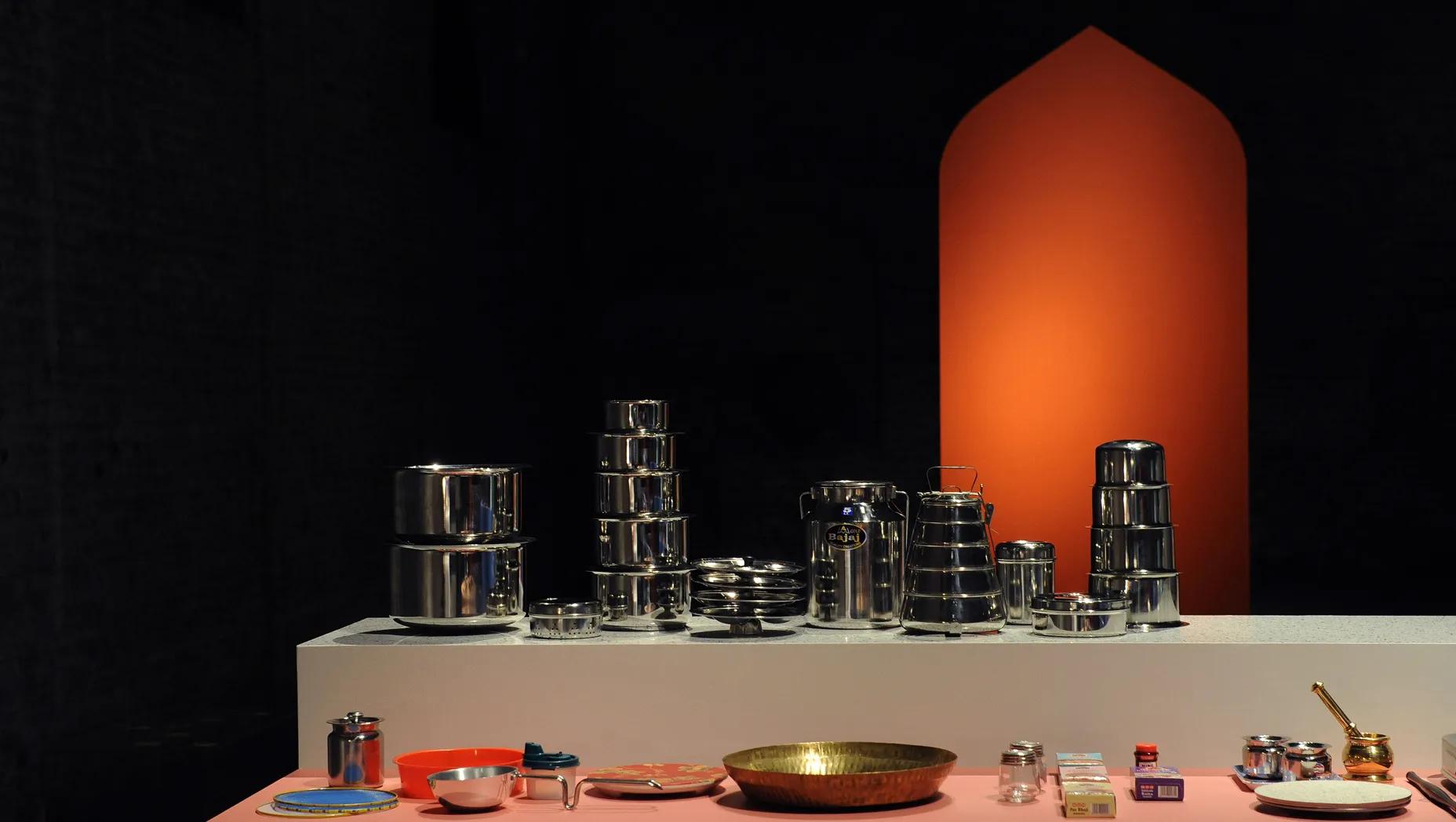
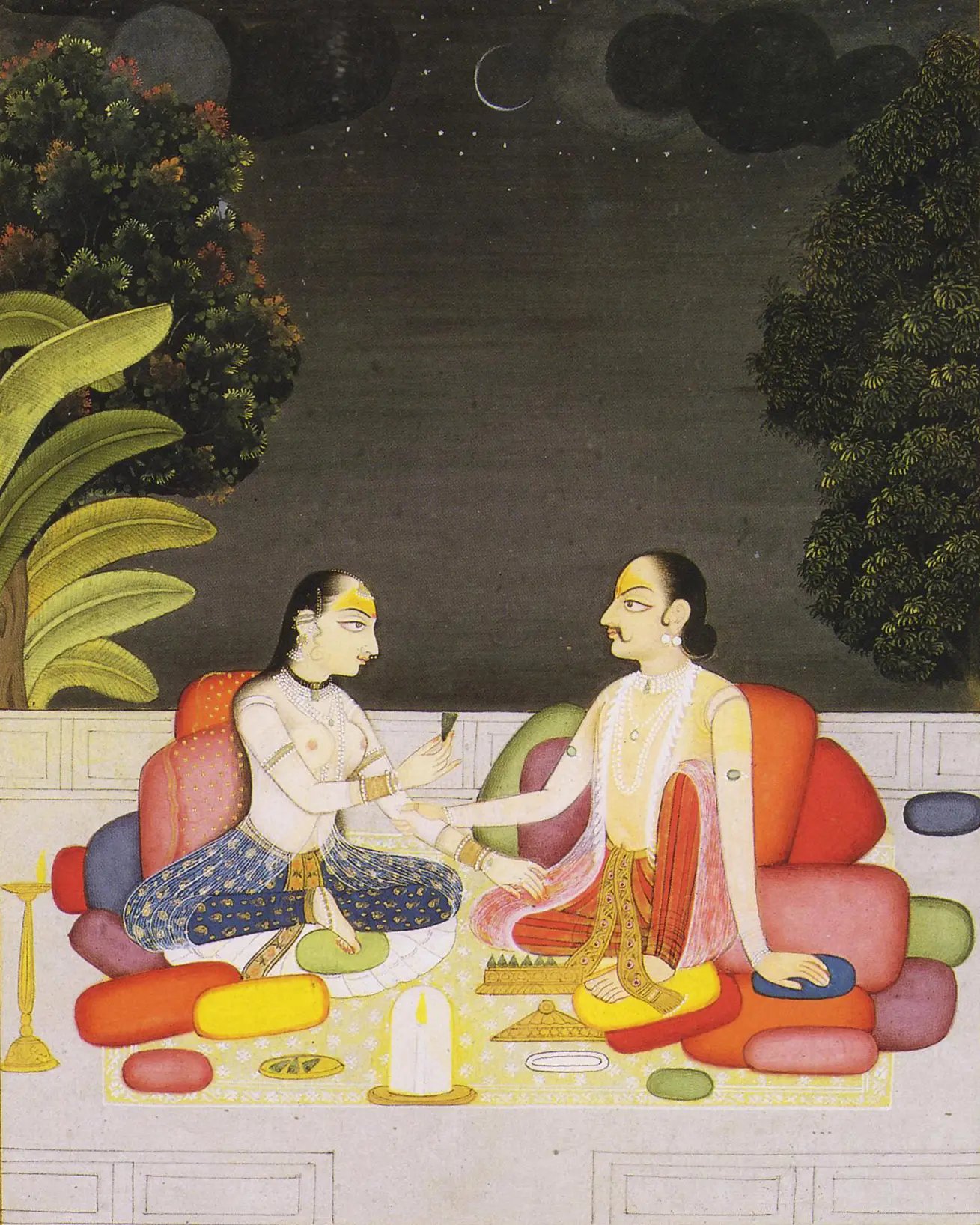
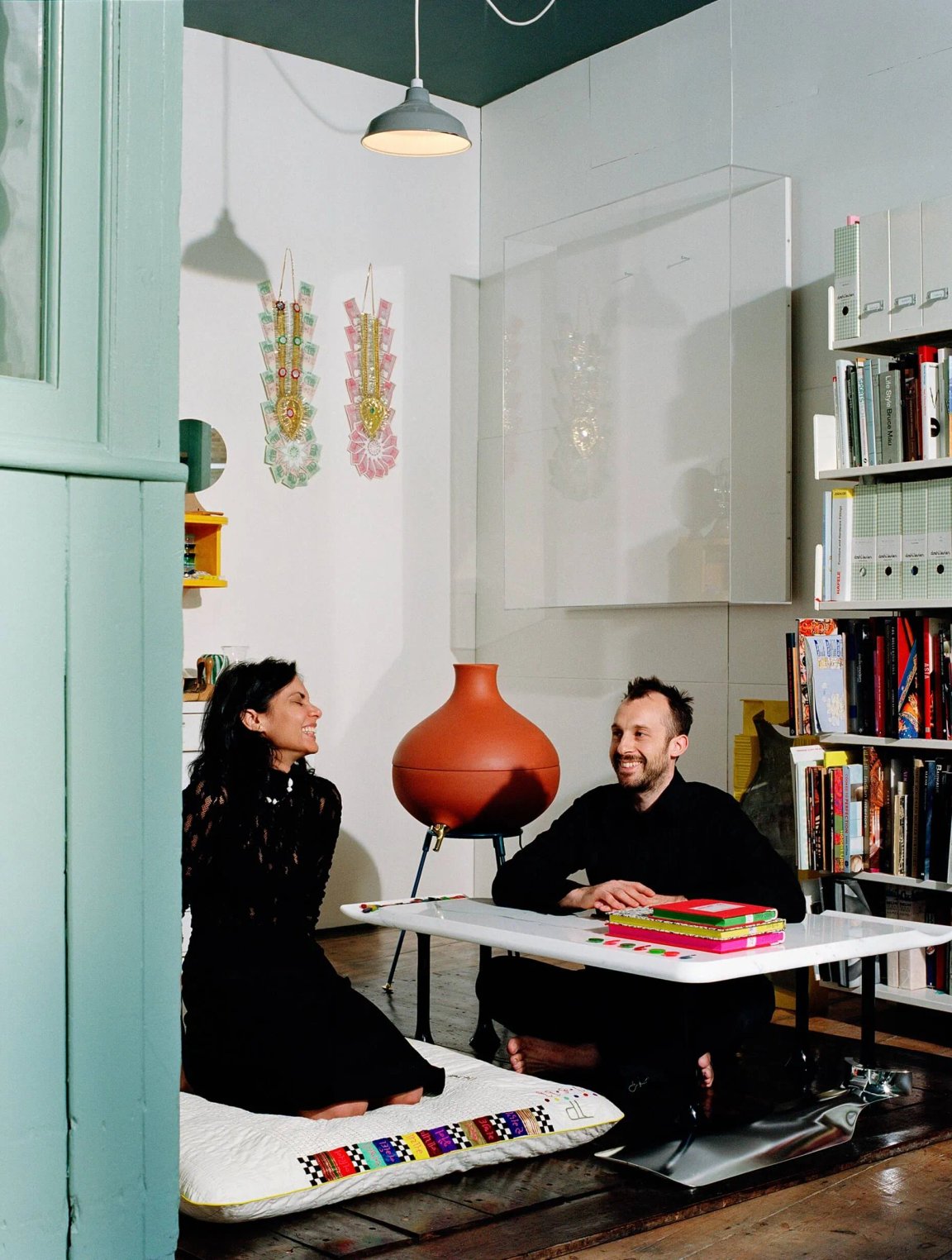
Living Objects was curated by Nipa Doshi and Jonathan Levien for Grand-Hornu, bringing together everyday Indian objects sourced from markets, shops and homes across the country.
My WorldEssay|read>
|
read>
My World explores the relationship between craftsmanship, industry and exchange through the metaphor of an Indian open-fronted shop. Presented as a space for dialogue and encounter, the installation reveals design as a meeting place between worlds.
Logic of PatternIn Conversation|read>
|
read>
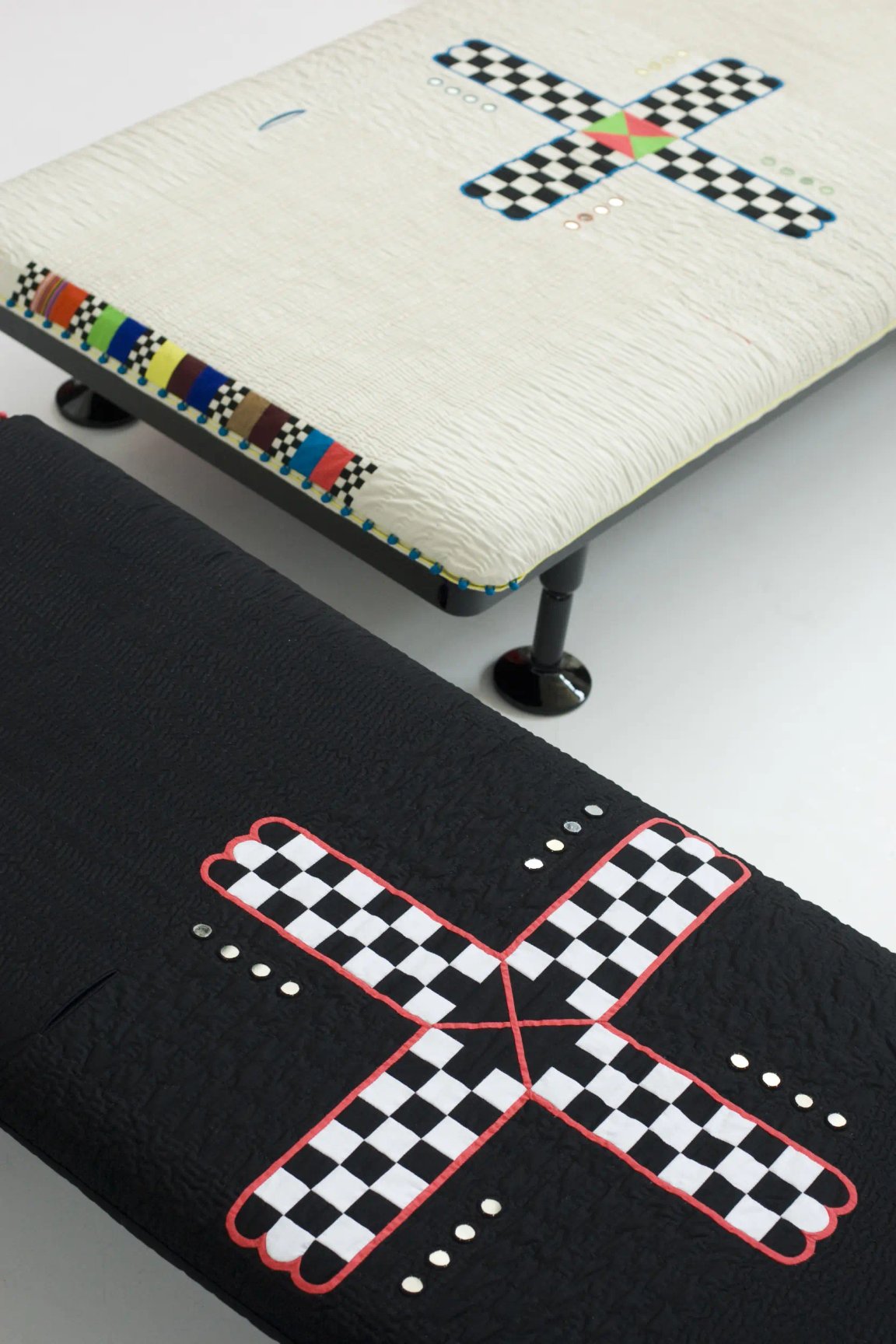
Pattern in design is frequently read as surface or ornament, but for Doshi Levien it represents underlying structure – a logic that generates meaning, story and rhythm. This conversation between Nipa Doshi and Jonathan Levien explores how pattern underpins two of their projects.
ApprenticeEssay|read>
|
read>
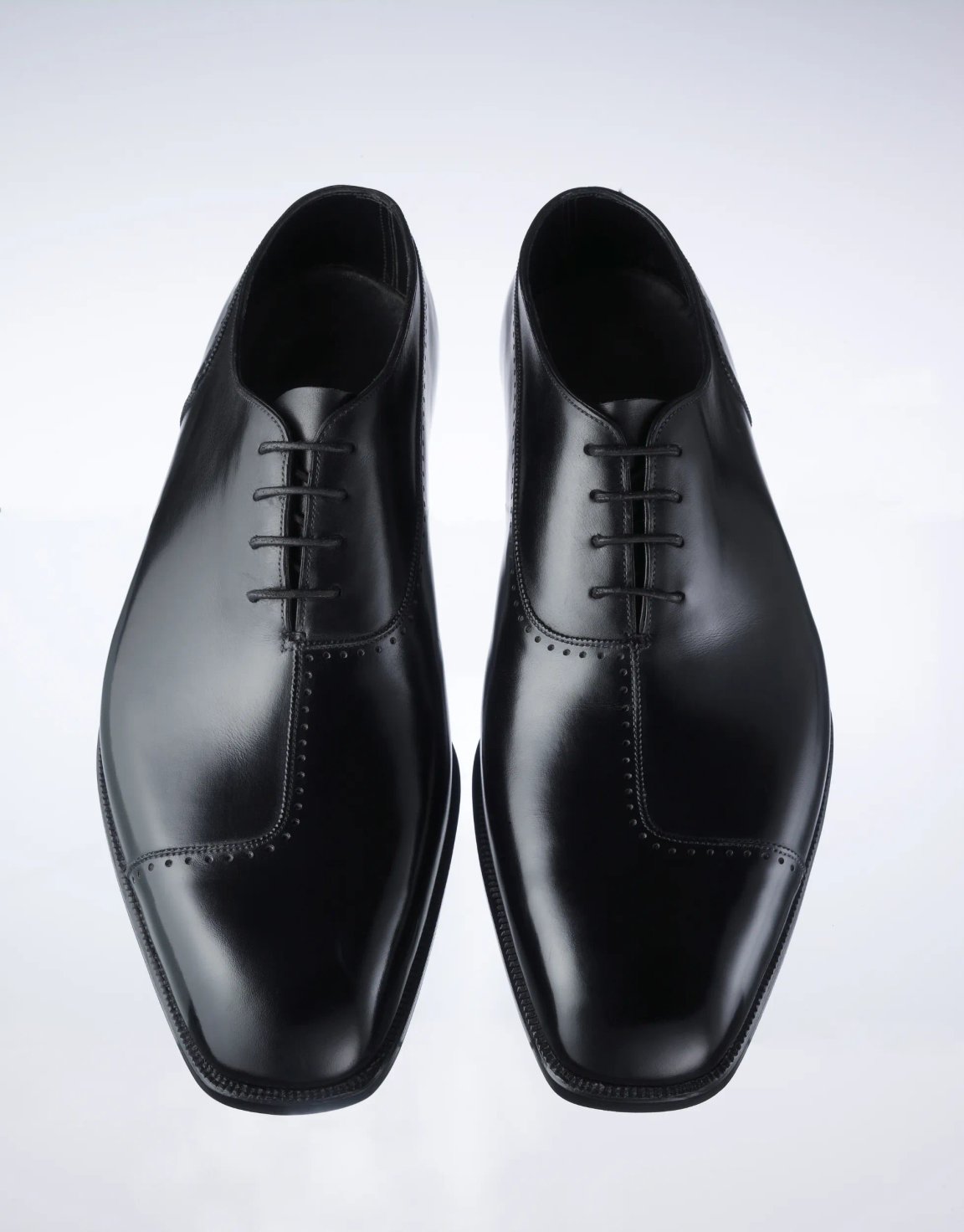
Apprentice brought design into dialogue with the world of shoemaking. Supported by Arts Council England, the project grew from working side by side with John Lobb, learning through shared processes and discovering new ground between design, craftsmanship and making.
Nipa Doshi on design, identity and feminismPress|read>
|
read>
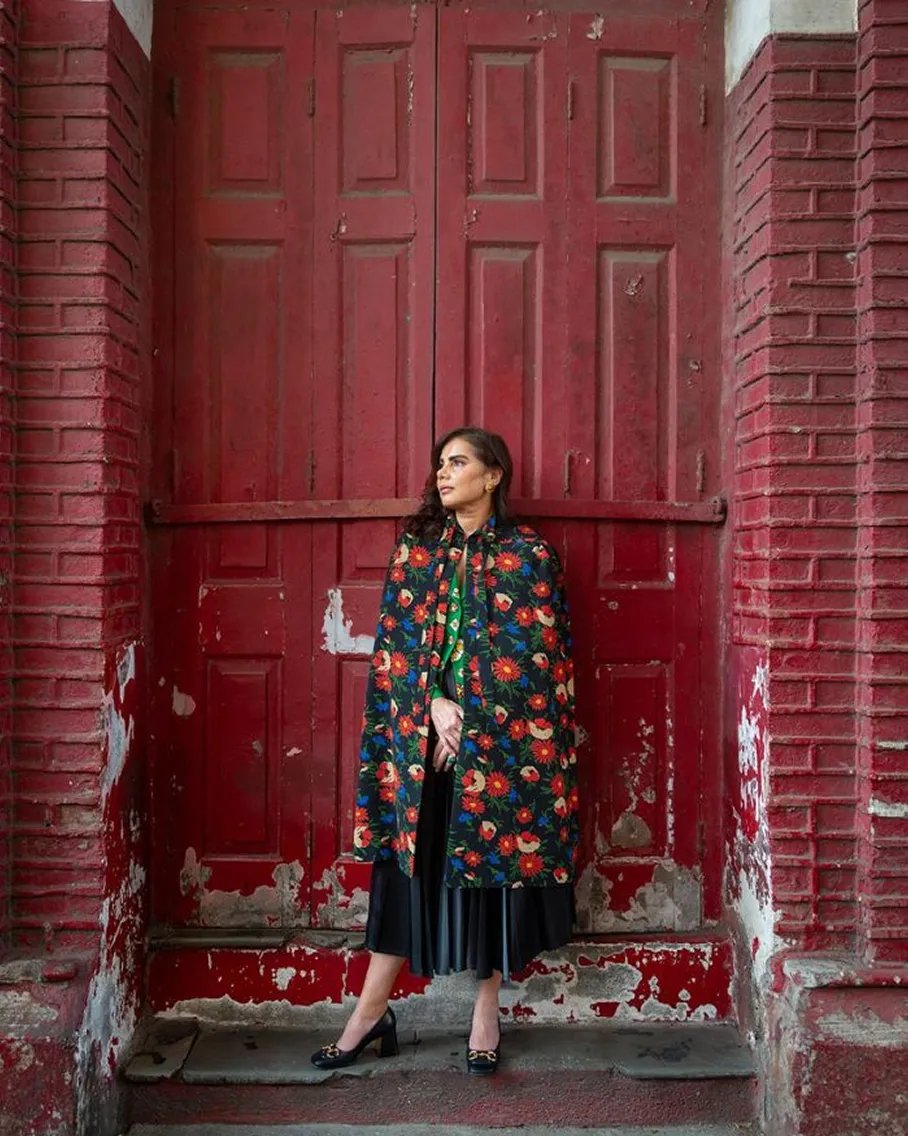
In an interview with Elle Decor India, Nipa Doshi reflects on design as a deeply personal and feminist practice, shaped by her love for colour, textiles and craft, while also championing ornament and everyday visual culture as powerful expressions of identity and place.
Objects with MeaningIn Conversation|listen>
|
listen>
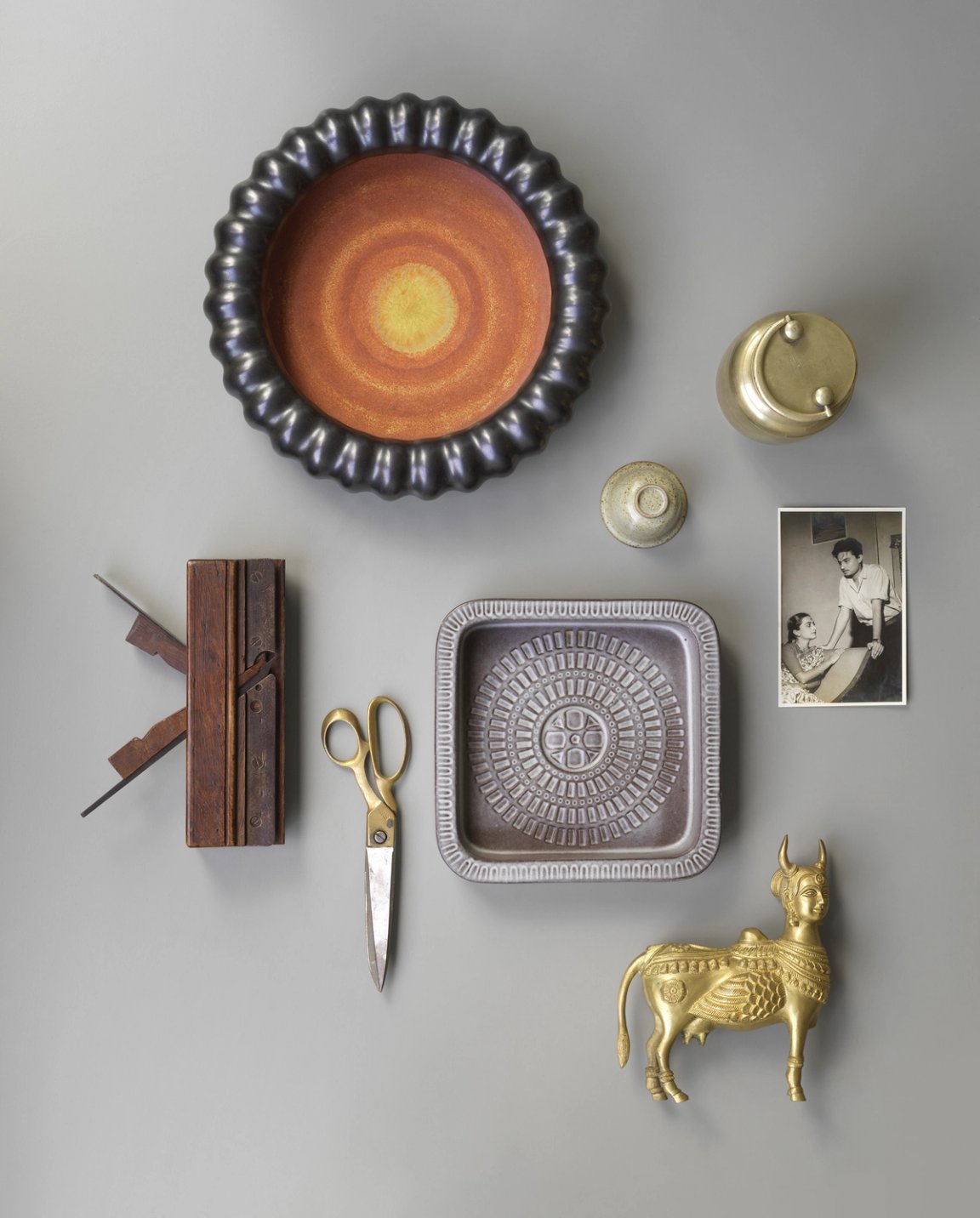
Nipa Doshi reflects on the emotional power of the objects we live with in Objects with Meaning, a podcast by Wallpaper* in collaboration with Vodafone Smart Tech. She shares how design, memory, and culture intertwine to give everyday things a deeper sense of purpose and connection.
Doshi Levien Unveils New Modular Sofa for HayPress|read>
|
read>
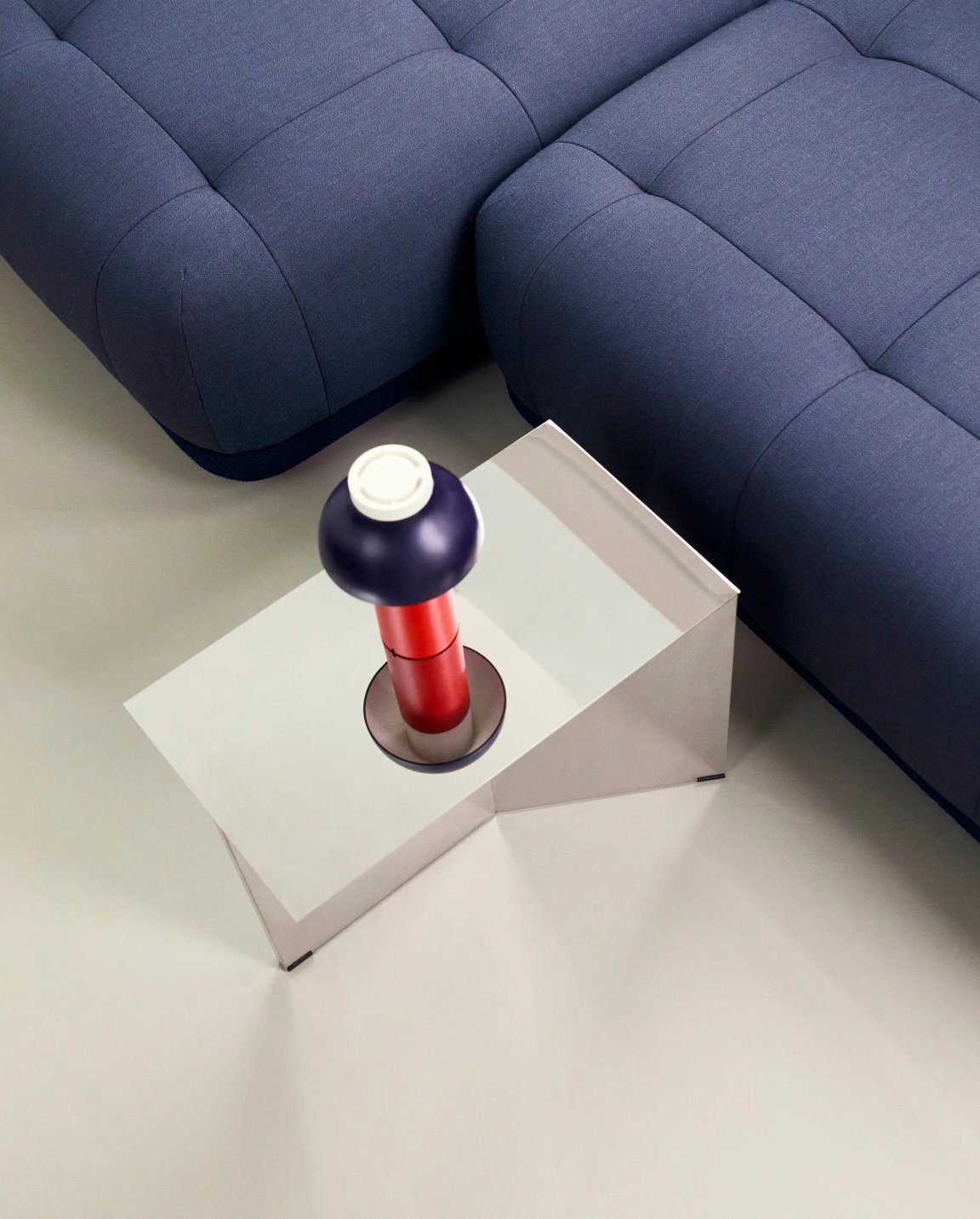
Danish design brand Hay presents Quilton, a new modular sofa by London-based designers Nipa Doshi and Jonathan Levien.
Postcards from the studio
.webp?w=1152&q=85&fit=max&auto=format)
A Room of My Own Sketches
(15.6.25)
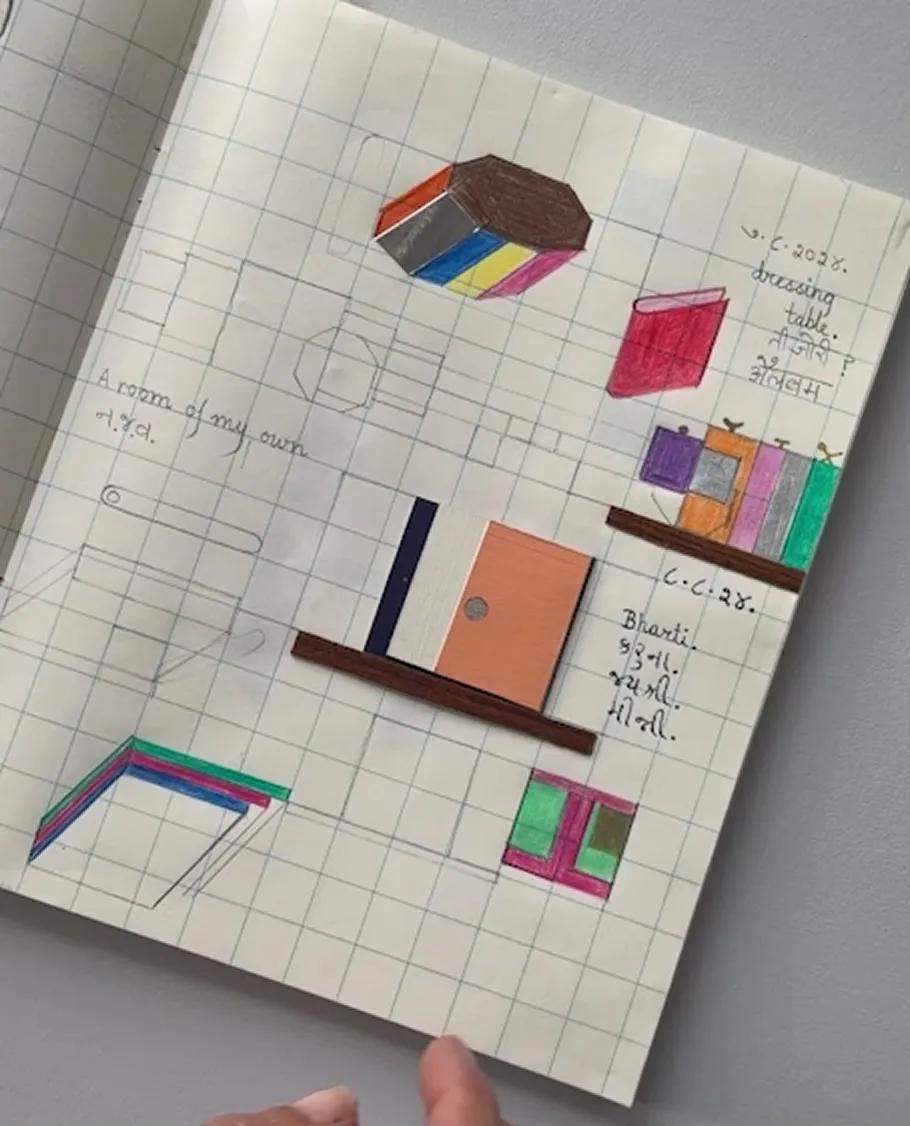
Nipa Doshi’s first drawings for A Room of My Own, a multifaceted cabinet that serves as both a shrine and dressing table. Inspired by the tradition of the kavad, a portable Indian shrine, the cabinet creates a space for personal ritual while also paying homage to the multigenerational women who have influenced Doshi.
Investiture Ceremony
(14.6.25)
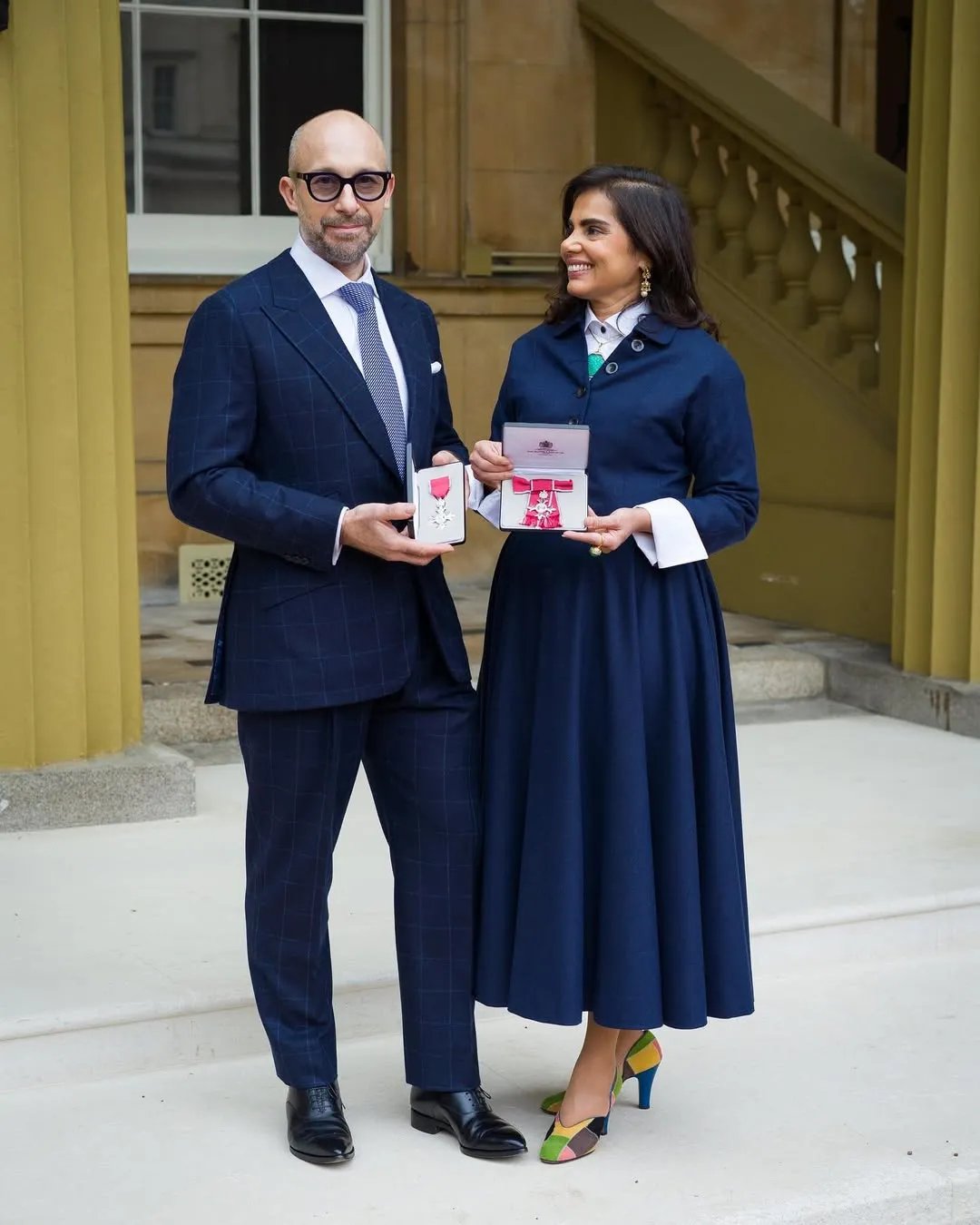
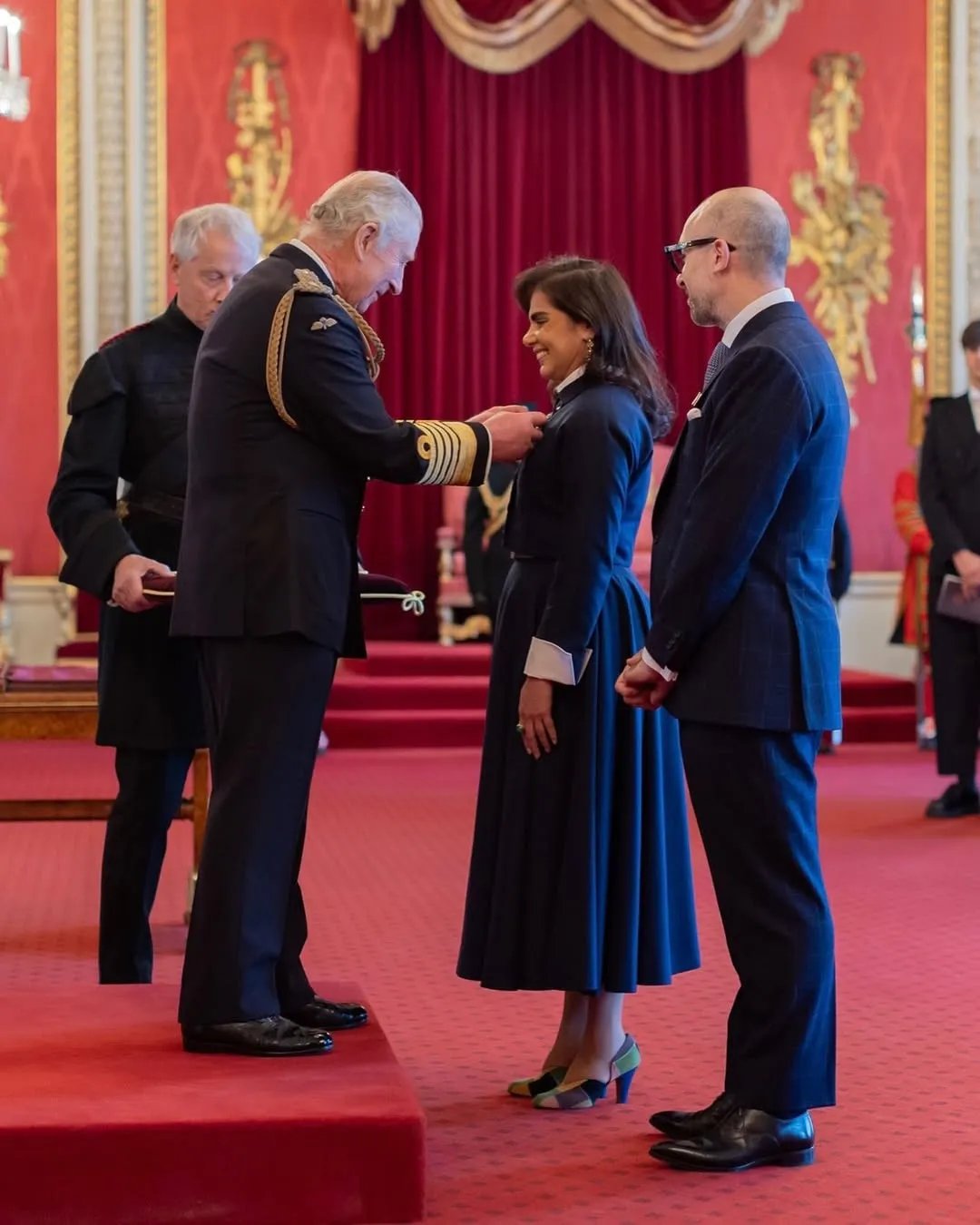
Nipa Doshi and Jonathan Levien’s Investiture Ceremony at Buckingham Palace with His Majesty The King. They were both awarded MBEs for services to design.
.webp?w=1152&q=85&fit=max&auto=format)
Cala Wire Model
(13.6.25)
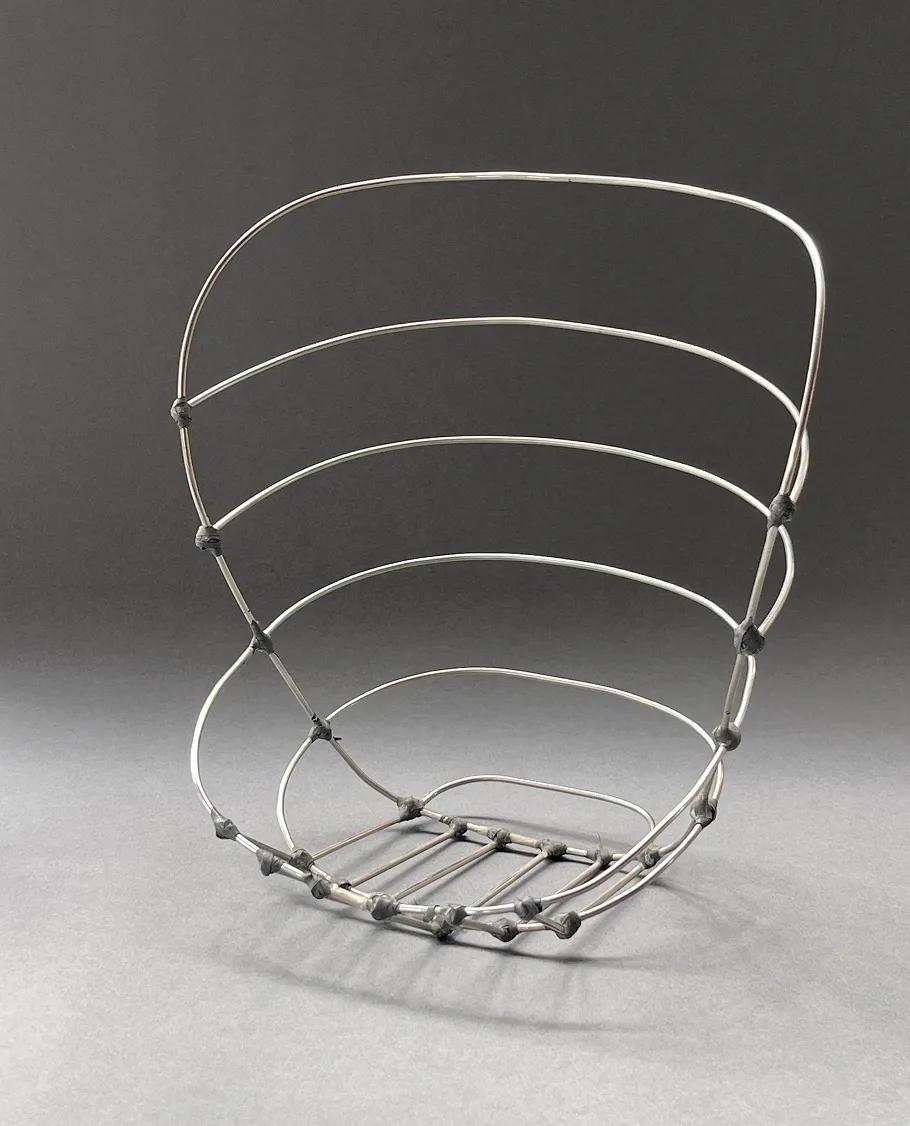
A first exploration of the Cala armchair for Kettal, shaped entirely in thin metal wire. By bending and guiding the wire by hand, the natural tension of the material revealed the curves that would later define Cala’s tubular frame. The design began with the idea of a high-backed armchair with a majestic, spatial presence – a contemporary response to the iconic Emmanuelle armchair.
.webp?w=1152&q=85&fit=max&auto=format)
The Human Clay
(12.6.25)
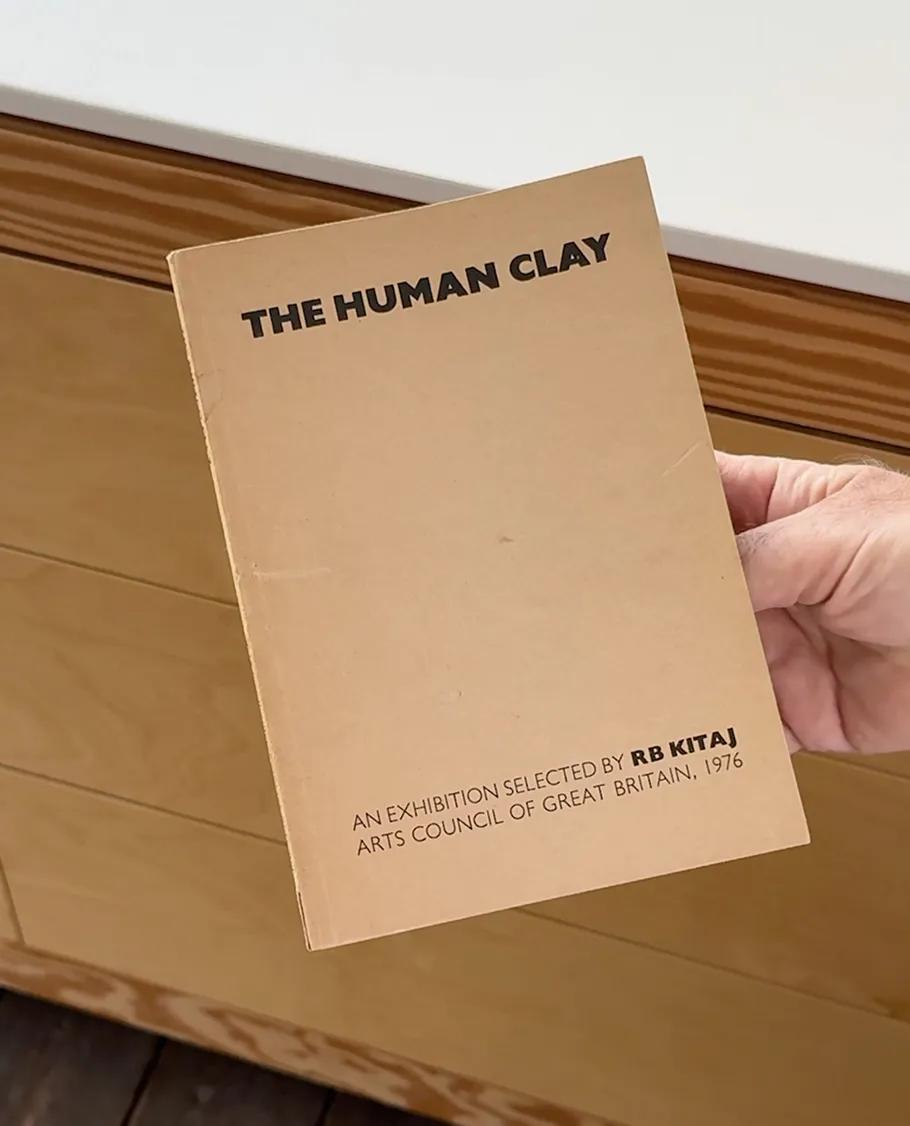
Jonathan Levien revisiting The Human Clay: An Exhibition Selected by RB Kitaj, 1976. The exhibition was pivotal in championing the School of London, which featured leading artists such as Bacon, Freud, Auerbach, Kossoff and Hockney, and underscored the central importance of the human figure and drawing in mid-20th-century British figuration.